
DATA FOR SMARTER MANUFACTURING DECISIONS
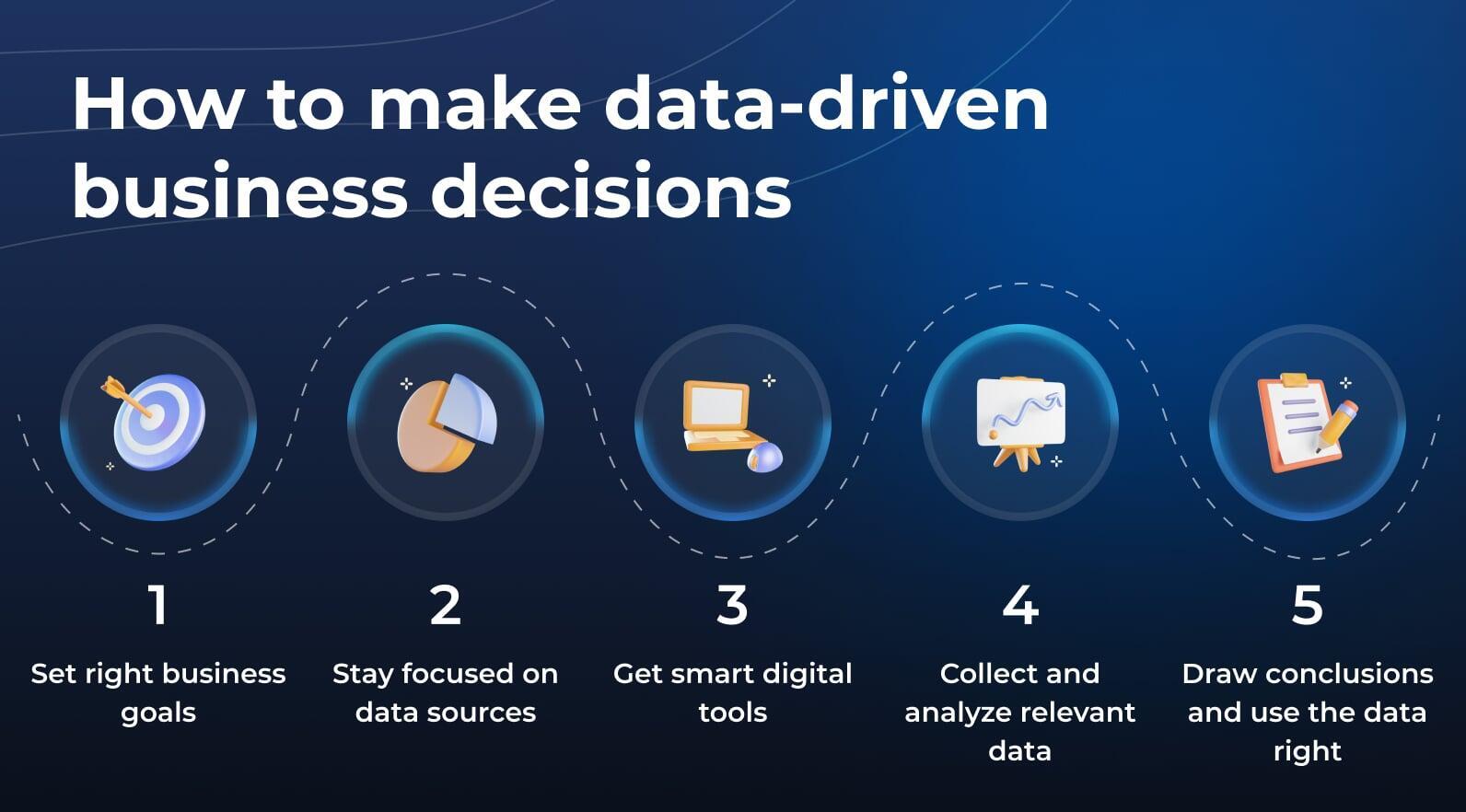
Why Data Matters More Than Ever (and why many MSME’s ignore it)
It’s 6:30 a.m. in Mumbai. You, the owner of an MSME manufacturing unit, are sipping chai, running through your daily mental checklist. Pending orders, production runs, machine downtime, RM/PM issues, rising costs etc. Your gut’s guided you from humble beginnings to this point.
But lately, it feels like running on instinct is no longer enough. Why? Because guesswork is risky when margins are razor-thin, competition is fierce, and one wrong batch can wipe out hard-earned gains.
What if you had a crystal ball?
A system which quietly flagged bottlenecks before they became crises, predicted demand swings, or even whispered cost-saving tweaks? Welcome to the hidden power of data — and why simple analytics can be your unfair advantage.
The Data Divide: Why Big Companies Pull Ahead
Let's be honest. The Tata’s and Reliance’s of the world have armies of analysts, dashboards, and advisors. But does that mean data-driven decisions are only for the big fish? No. In fact, the edge is sharper for small and mid-size manufacturers.
Here’s why:
- You’re closer to the action. Data can be turned into action quickly – no endless meetings!
- Smaller investments, quicker wins. Simple analytics can deliver outsized results, without crores in IT spend.
- Change is easier. Fewer layers mean it’s less painful to tweak processes or pilot what works.
But most owners don’t use data—not because they don’t see the value, but because analytics seems… complicated, expensive, and risky.
The Story of ‘SmartCo’
Meet ‘SmartCo’, a mid-sized manufacturer of multi-SKU food business near Mumbai. A year ago, SmartCo ran into a familiar pain for MSME manufacturers: fluctuating order volumes, unpredictable breakdowns, and mounting costs. The owner, “Akash”, was drowning in Excel sheets and WhatsApp forwards from his manufacturing and QC team.
Instead of “going digital” overnight (and burning a hole in his pocket), Akash began small:
- Started tracking downtime manually: Operators filled simple Google Forms when machines stopped.
- Review patterns weekly: Over chai breaks, the team noticed the filling machines failed mostly after long, hot afternoons.
- Simple fix: Shifted maintenance schedules, added a fan near overheating equipment.
Result? Downtime dropped 22% in 3 months. No expensive software, just simple analytics.
How Data Drives Smarter Decisions (Without Fancy Tools)
1.See Your Factory’s Real Story
Every shift, every order, every machine, every delayed delivery—they all generate data. Even jotting down issues in a notebook is better than trusting memory.
Action Step: Start logging one thing that bothers you (e.g., delivery delays). Note date, shift, and possible causes. In a month, patterns will emerge.
2.Focus On The “Vital Few”
You don’t need to track a hundred metrics. The best companies focus on the “vital few”—the 20% of issues causing 80% of heartburn. These are often:
- Unplanned machine stoppages
- Raw material delays
- Quality defects
Action Step: Pick one problem. Track it with your team. Discuss what data you’re seeing every Friday.
3.Involve Your Shop Floor Team
Don’t make data a boss-only affair. The best insights often come from the people closest to the work.
Action Step: Let operators record problems (tick marks on a whiteboard, WhatsApp messages, forms). Review together. Celebrate small wins.
4.Use Simple Tools That Work
Forget jargon like “AI”, “IoT”, or “Big Data” for now. Start with what you know:
- Google Forms for tracking events
- WhatsApp groups for quick reporting
- Excel/Google Sheets for viewing weekly/monthly trends
Still using paper? No problem—capture pictures with your phone and upload each week.
The Emotional Edge: Sleep Better, Act Faster
Here’s what analytics gives you, beyond numbers:
- Peace of Mind: Data as your safety net—no more nasty surprises.
- Confidence: Back tough decisions with facts, not just gut.
- Team Trust: When findings come from shop floor data, your solutions get buy-in fast.
As another Indian manufacturing owner put it, “Our machines can fail, but if our process is learning every day—we will never fail for long.”
Busting the Top Myths (And The Reality)
Myth | Reality |
Data is only for large companies | Simple analytics helps small firms win faster |
Analytics needs costly software | Free tools like Google Sheets and paper based tracking are enough to start. |
My team won’t use it | If made simple, everyone loves fewer headaches! |
Data=Complex Reports | Actionable insights trump big, complicated dashboards. |
Ready to Start? Your 5-Day Challenge
Here’s a roadmap you can action THIS WEEK:
Day 1: Identify one costly recurring problem.
Day 2: Set up a simple log (paper, Excel, or WhatsApp) for that issue.
Day 3: Ask the team to enter data for each event.
Day 4: Review the week’s data, look for patterns—get the team involved.
Day 5: Test a small change. Track if it improves.
Repeat, improve, celebrate every win—and let your competition wonder.
Why This Matters Now
India’s manufacturing story is being rewritten. Exports are up, supply chains are global, and “China+1” is India’s chance. CXOs who ignore data risk being left behind. Those who act—no matter how small the start—will build factories that learn, adapt, and thrive. You don’t need to be a data scientist. You need to be a data believer.
Got 10 minutes? Grab a notebook or open Google Sheets. Start with ONE problem. Track. Review. Improve. Need help on how this is getting implemented at other MSME manufacturers, Reach out to me at phoenix.advizory@gmail.com or +91-9967093949.
Let’s make manufacturing smarter, together. Don’t leave your business to chance. Let data be your compass. The time to start is now.